Respiratory Research Intelligence
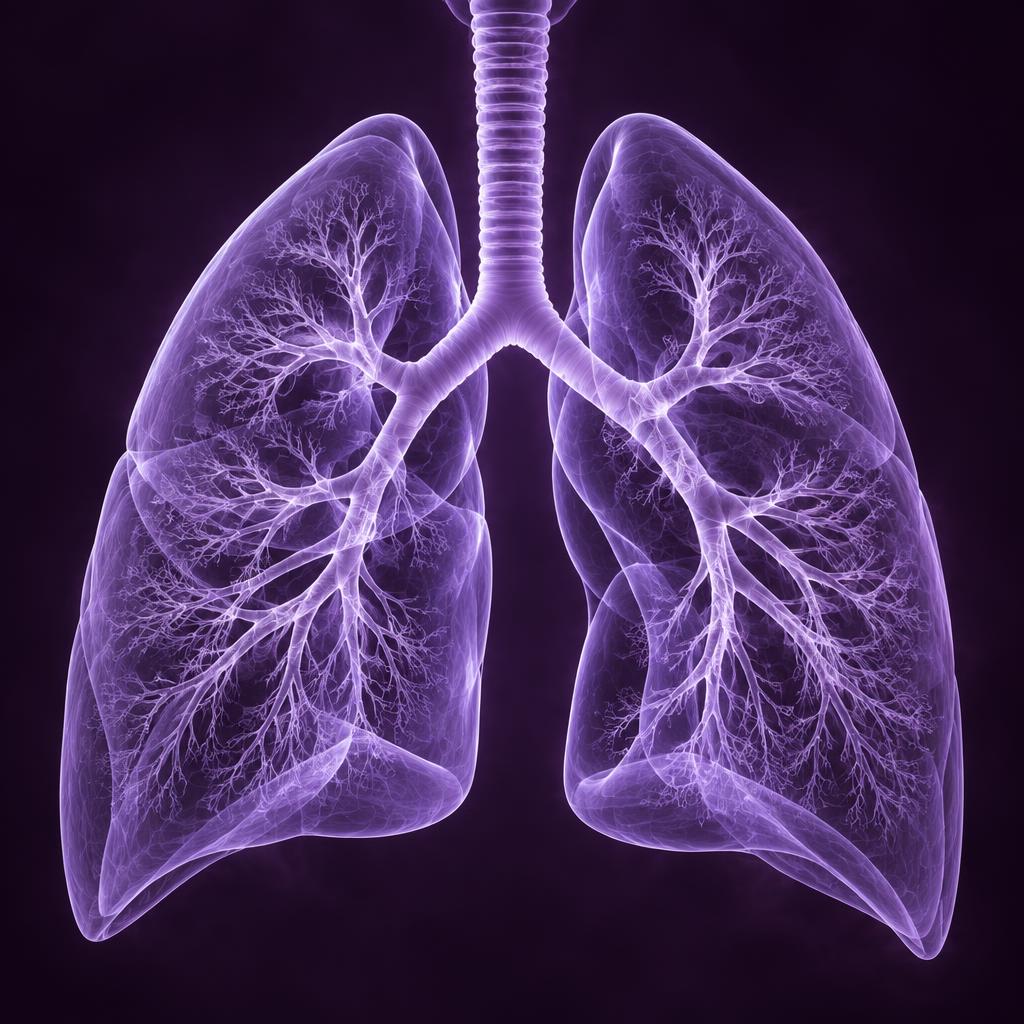
Respiratory protocols combine spirometry with exacerbation history — a mix of continuous values and event counting.
Screening support only. ClinQSphereX provides research and recruitment workflow support. It does not independently determine clinical eligibility, diagnosis, treatment or enrolment. Candidates are shown as potentially eligible and require researcher review.
Conditions in scope
- COPD
- Asthma
- Pulmonary fibrosis
- Pulmonary hypertension
Research variables
Synthetic data- Age
- Smoking history
- Spirometry values (where recorded)
- Exacerbations in the last year
- Inhaled medication history
Variables are only used when they exist in the underlying dataset. Demonstration records are synthetic and are not real patient data.
Why screening is hard here
Spirometry is often unavailable outside specialist care.
Clinical trial discovery
Live dataRecords are retrieved from the public ClinicalTrials.gov registry when you search. Nothing on this panel is a determination about any individual.
Structured eligibility screening
Synthetic dataProtocol text becomes one row per criterion. Each row records the expected value and the observed value, and resolves to PASS, FAIL or UNKNOWN. Missing information stays UNKNOWN — it is never converted into a pass.
| Criterion | Expected | Illustrative outcome |
|---|---|---|
| Age | 40–80 years | PASS |
| Documented diagnosis | Present | FAIL |
| Exacerbations in last 12 months | ≥ 1 | UNKNOWN |
| Current smoking status | Recorded | PASS |
Illustrative synthetic research profile. Outcomes shown here demonstrate the display format only; live outcomes are computed inside the workspace from your own data.
The decision stays with a researcher
- 01
Model prediction
Ranked shortlist with a confidence level.
- 02
Evidence
Observed value, source and timestamp per criterion.
- 03
Explanation
Feature contributions behind the prediction.
- 04
Researcher review
Pending review · Requires more evidence · Not relevant · Potentially relevant.
- 05
Research action
Outreach, screening visit or exclusion — recorded with the reviewer.
Limitations for this area
- Spirometry is often unavailable outside specialist care.
- Demonstration records are synthetic; no real patient data is used on this site.
- Registry records are shown as published by ClinicalTrials.gov and are not verified against any individual.
- Model output is a prediction, not a diagnosis, and never changes a participant's status on its own.